The Business that Lies Behind the Insecurities of Women
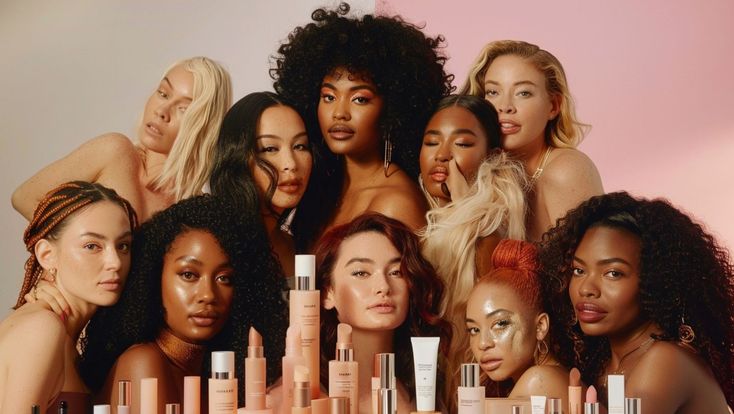
The expectations of appearance and attractiveness within our societies have quite literally molded the beauty and fashion industry over the course of its development, building successful businesses recognized across several countries. How do they become so successful you may ask? To put it into simpler words, The massive cosmetic companies in question, capitalizes on the insecurities of women, inevitably raising society’s unbelievable beauty standards and of course the success rate for profitable business opportunities
Through marketing on social media platforms, using the influences of your favorite influencers, it essentially entices consumers to believe that the extremely unrealistic standards regarding their appearance and self-image. Promoting the ideology that people needed to change their natural appearance to improve themselves in terms of their attractiveness, confidence and even to be accepted by society is simply absurd.
Amber Click Edwards supported this argument by explaining in her article “Challenging the Billion-Dollar Business of Women’s Insecurities”, how businesses typically identify the specific personal insecurities of what most women would generally have or agree with and turn those said insecurities into products that “promise” solutions. For instance, an example of this can be how people tend to see frequent ads that promote “anti-aging” creams, enhancing complexion products and even ads that promote cosmetic surgery to “correct” the skin of aging women. This fundamentally creates that belief for consumers, which in this case is targeted specifically for older women, that they need to consistently keep up with these new products in order to maintain the standards that they are expected to meet.
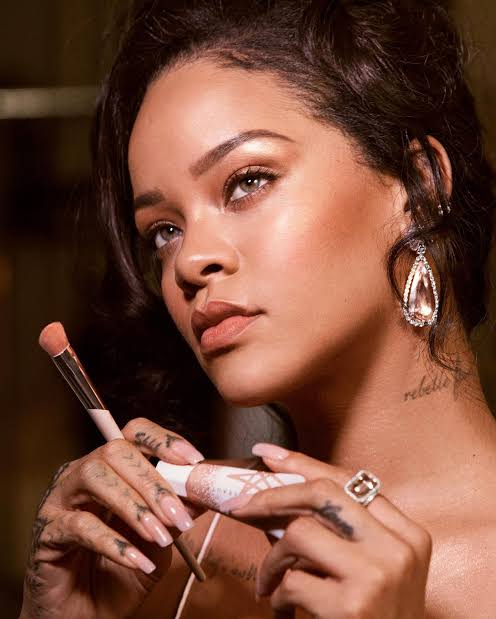
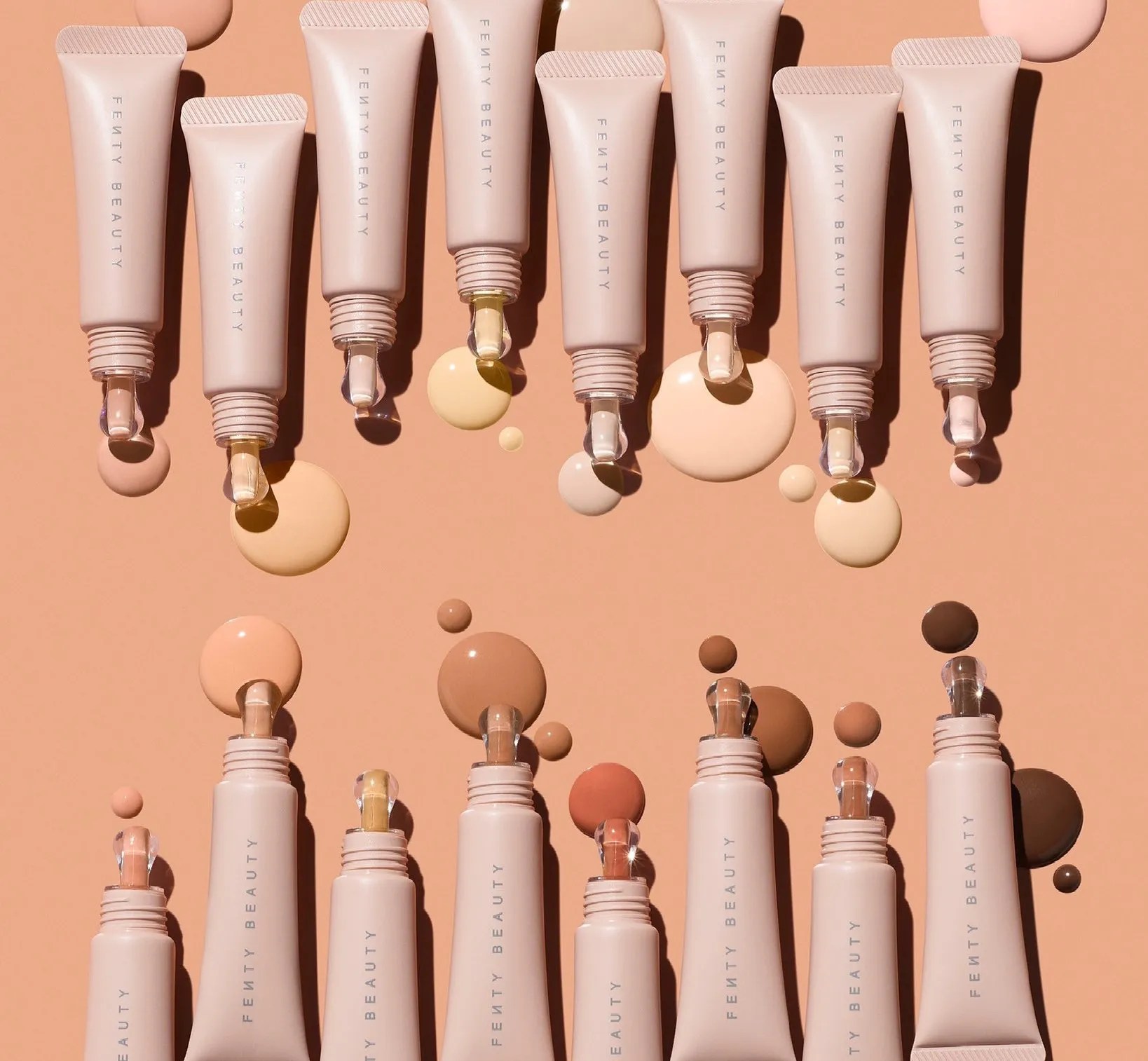
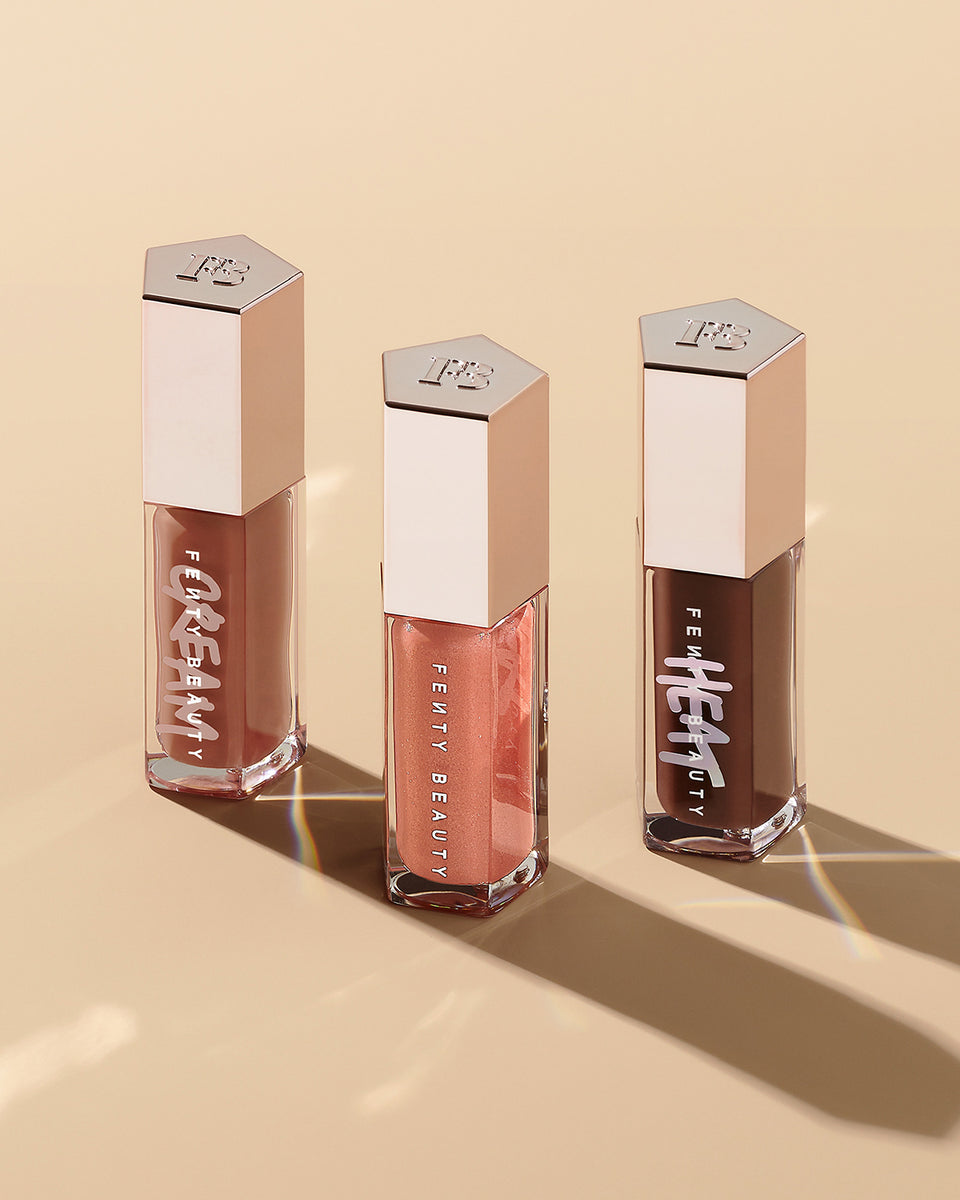
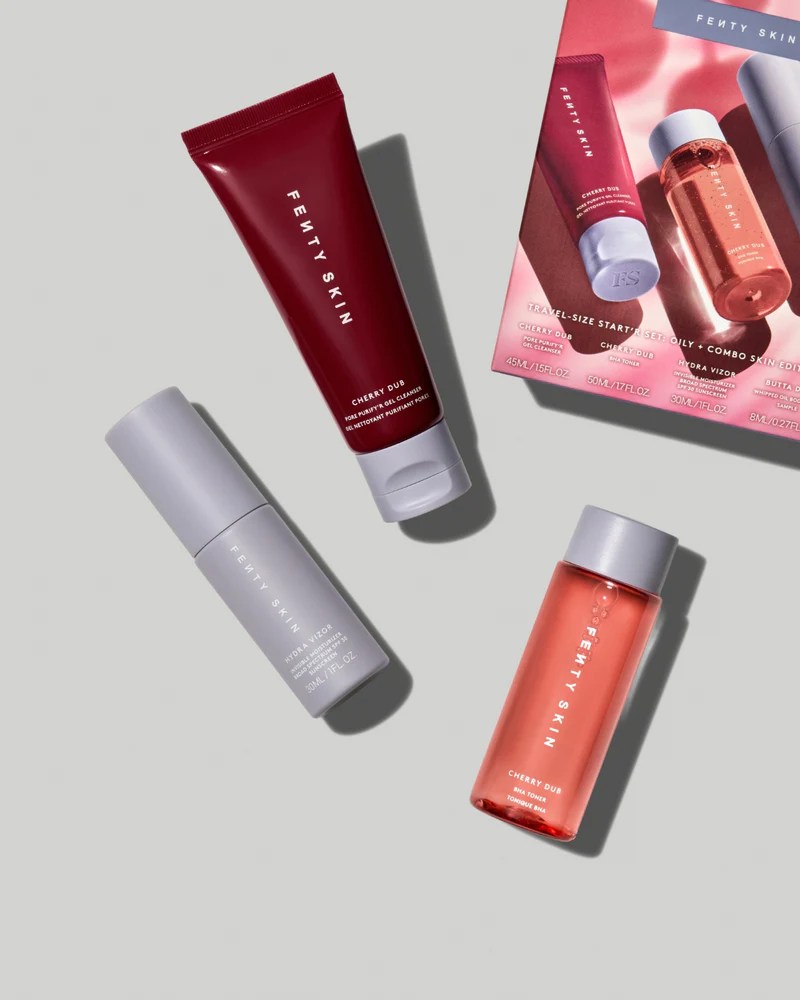
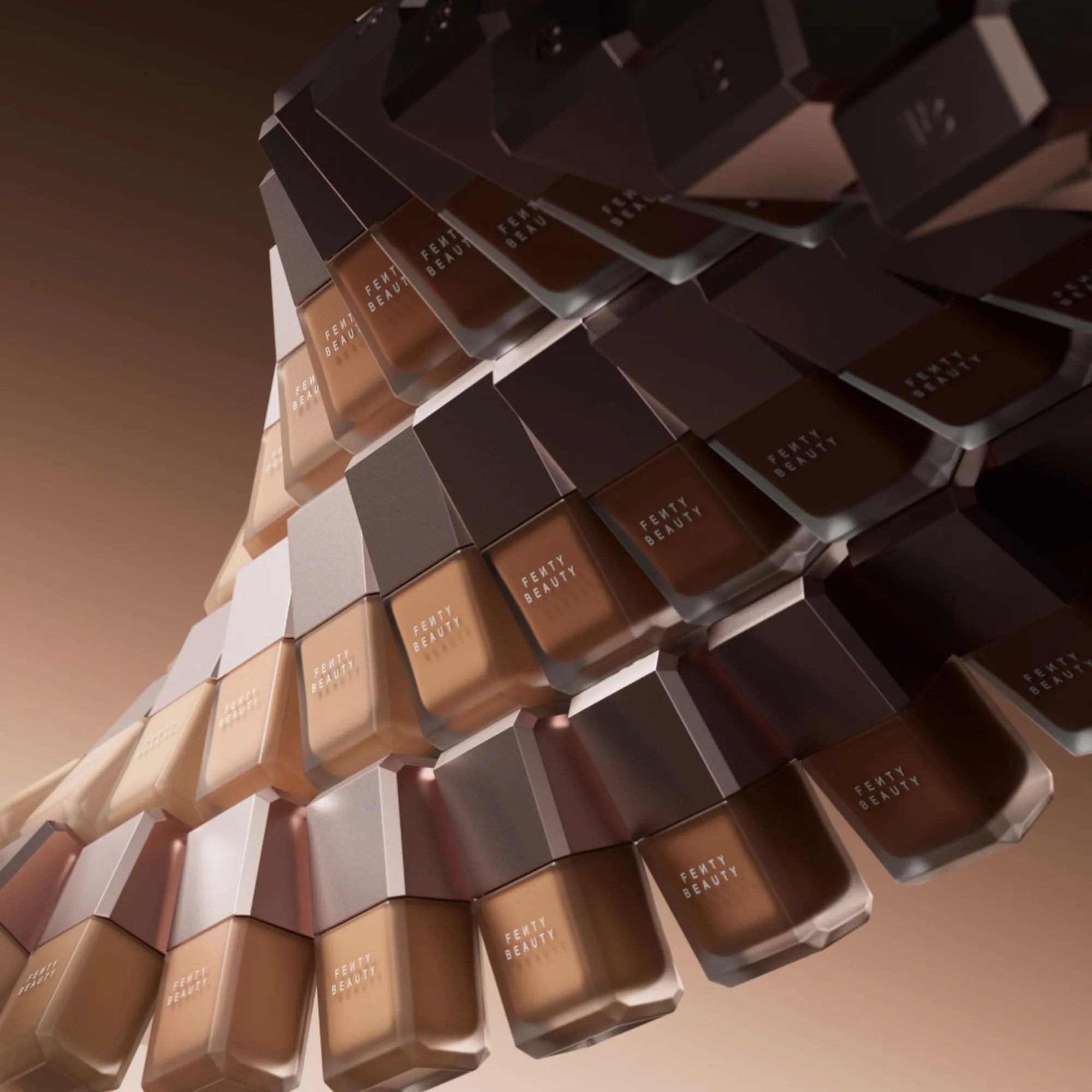
Although there are rotten apples in the industry that exploit women and our insecurities , there are still people who look at their influential platforms and decide to raise the bar for ethical responsibility of cosmetic businesses. For example, it was mentioned that brands like Fenty Beauty, expanded their range of shades regarding skin tones as it addressed a well known issue that was quite problematic for many massive makeup companies. Fenty Beauty had recognized the lack of representation in overlooked communities, which actually turned out to be beneficial for both the provider and the consumer.
Ultimately, it really just depends on how companies choose to use their influential power, and how they consider the way individuals perceive them as a company. Are they inclusive? Are they overpriced? Does the product actually work? It makes you, as consumers, question whether the business is purely about profiting or if they’re genuinely focused on providing real solutions to people that need their needs served.
References
Edwards, A. C. (2026, October 26). Challenging the billion-dollar business of women’s insecurities. ELYSIAN. https://readelysian.com/challenging-the-billion-dollar-business-of-womens-insecurities/

